Open-sourcing the part you can defend
The public surface can be source code, an explanatory research edition or an architecture record. The line is drawn by what can be supported responsibly.
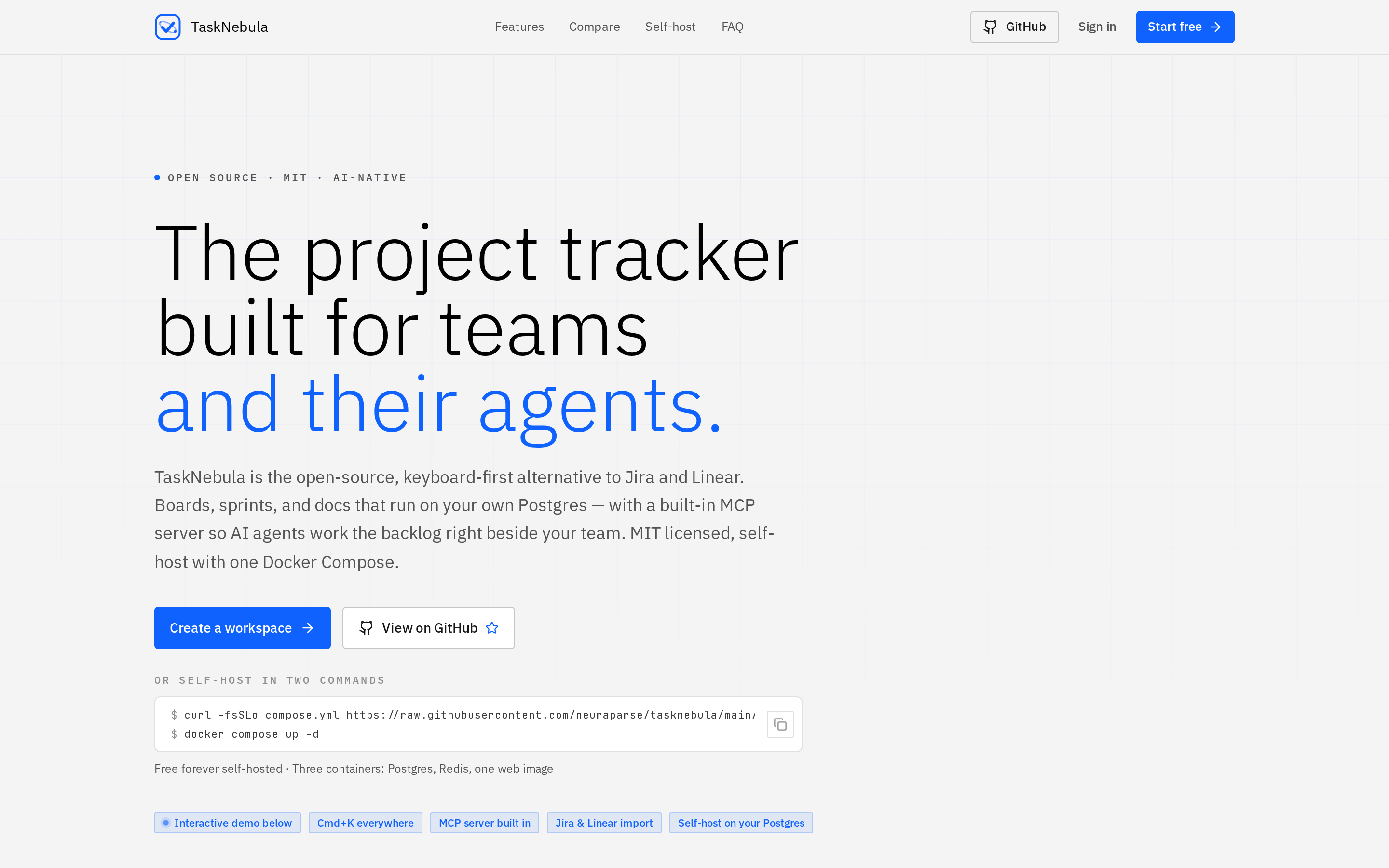
Four systems, several kinds of public surface. TaskNebula and QANTIS under MIT. NowFlow Community and qmesh under Apache-2.0. NeuraOS publishes its product, governance and assurance architecture without distributing source code or binaries. People ask where the line sits and whether it is drawn by what is valuable.
It is not. It is drawn by what I can support.
The actual constraint
An open repository is a promise. Someone will build on it, file an issue, and expect an answer. If I release something I cannot maintain, I have not contributed anything, I have created an abandoned dependency with my name on it.
So the open edition is the part where the promise is affordable. For QANTIS that is the explanatory edition: the structure, the approach, enough to read and reason about and reproduce the shape of. The full experimental tooling stays private, not because it is a trade secret but because supporting it as a public artefact would consume the time that produces the research.
I say that on the site rather than implying the repository is more complete than it is.
Where the commercial line falls
For the product systems the split follows assurance rather than features.
NowFlow Community carries the workflow engine and the governed agentic patterns. The commercial edition carries the integration surface, 188 blocks and over 300 connections, and the operational assurance around it. NeuraOS draws the line differently: its public repository documents the runtime and governance architecture, while the proprietary edition carries the signed model-to-device path and its delivery controls.
NODERIQ Defense has no open edition and will not have one. Not because the ideas are secret, since the architecture is published on the site in detail, but because a defence edition carries obligations that an open repository cannot hold.
What open source is actually for here
Three things, in order of how much they matter to me.
Verifiability. A paper that cites a repository nobody can open is asking for trust it has not earned. The QANTIS repository exists so a reader can check that the described approach is a real thing.
Recruitment of scrutiny. The fastest way to find out that you are wrong is to publish something someone competent can read. This has happened to me and it was useful both times.
Usefulness without a transaction. TaskNebula is the clearest case. It solves a problem for teams working alongside agents, and there is no version of the business where charging small teams for it makes sense. The reasoning behind releasing it is set out in a separate article from March.
The honest accounting
Across seven public repositories the counts are modest. TaskNebula has the adoption; the research repositories have very little, which is what you would expect for research software with a narrow audience.
Those numbers appear on the site with a date attached, and they are not presented as evidence of traction. A repository with six stars that supports two published papers has done its job. Reporting it as though it were a popularity result would be a category error.