
Article of the week
How will we verify identity in the quantum age?
Germany’s quantum-resistant identity research raises a wider question: how should AI agents and robots prove who they are, whose authority they carry and when it expires?

Founder / Technical Lead Neura Parse
I founded and lead Neura Parse, where I work on AI and quantum systems. I bring research, engineering and product development together: choosing the questions, working with teams and partners, and testing what an idea can actually do before we turn it into a product.
My background is in public services, telecommunications and enterprise AI. Those projects taught me to care as much about how a system runs, and who is responsible for it, as how it is built.
Available in three languages. Read online or download the one-page PDF.
Research proposals, product development and upcoming conversations from my work at Neura Parse.
Article of the week
Germany’s quantum-resistant identity research raises a wider question: how should AI agents and robots prove who they are, whose authority they carry and when it expires?
 Horizon Europe
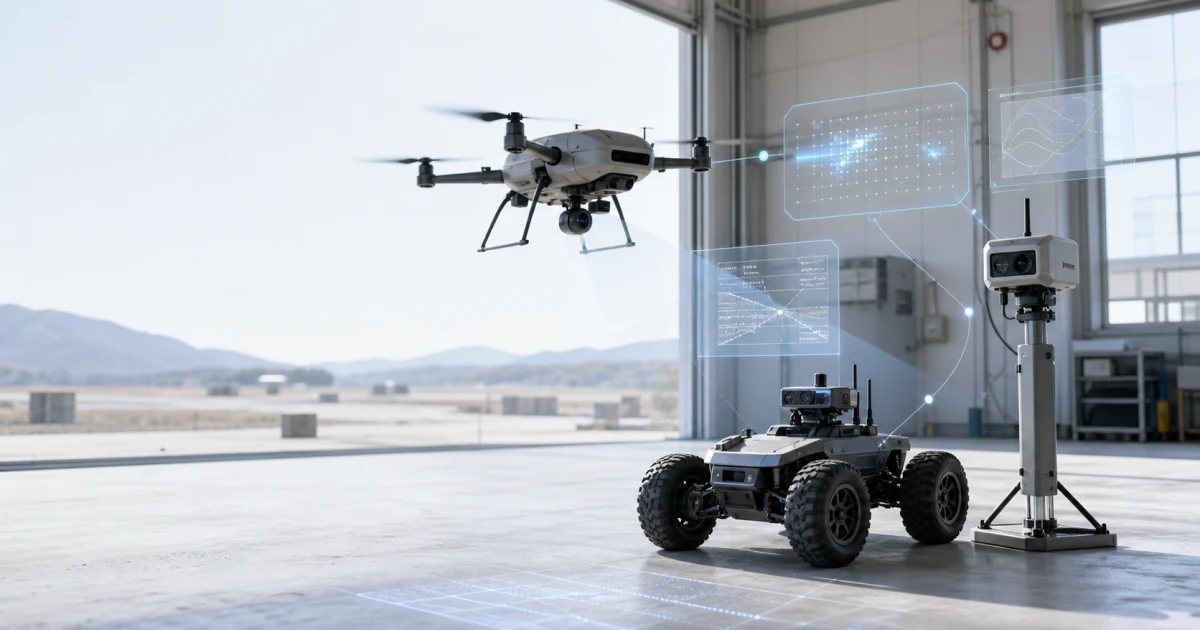
I am developing NODERIQ’s Horizon Europe 2027 proposal direction around robotic mission continuity, resilient communications and industrial integration. The current work is to agree the consortium and three pilot scenarios before submission.
The target topic is HORIZON-CL4-2027-04-DIGITAL-EMERGING-05, on integrating AI-driven robotics into industry. It is a forthcoming call, opening on 17 November 2026 with a deadline of 18 March 2027.
Before an application, we need to agree the industrial hosts, scenarios, access, responsibilities and acceptance criteria for three proposed pilots. Research, communications and robotics contributions are being scoped together.
This is consortium and proposal preparation. Participation, funding and physical validation are not yet agreed; no NODERIQ application or grant award is announced here.
Updated concept brief and proposed pilot structure shared for technical discussion.
Consortium scope and additional research capabilities under discussion.
 Horizon Europe
I submitted VERITAS-CA to the EIC Pathfinder DeepRAP call on behalf of Neura Parse, the proposal coordinator. The first submission was recorded on 24 July 2026 and an updated version on 28 October 2026; both are confirmed by the Funding & Tenders Portal.
VERITAS-CA studies how agents can reason, plan and coordinate when information is incomplete and communication is limited. The proposed work keeps evidence of a decision available for human review.
The research is proposed for controlled software and simulated civil inspection or maintenance scenarios. A bounded comparison of classical and quantum-assisted inference is a research question, not a promised quantum advantage.
The portal notifications confirm submission and the coordinator role. They do not establish eligibility for evaluation, selection, a grant agreement or a funding award.
Initial submission confirmed; Neura Parse recorded as proposal coordinator.
Updated proposal submitted before the call deadline.


SeminarCRANE · Safe and Secure Robotics SIG
I am speaking in CRANE’s Safe and Secure Robotics SIG seminar series about what a robotic mission should do when machines and operators no longer share a reliable view of the work. The talk connects NODERIQ software and simulation work with the questions guiding NODERIQ-RCN.
A research talk drawing on software and simulation work. Physical evaluations remain planned.

Professor of Computer and Information Security · SIG lead
University of Sheffield

Senior Lecturer in Cybersecurity
Sheffield Hallam University

We are preparing a December update for QFlow Studio, focused on easier movement between quantum programming languages and formats, alongside clearer organisation of large, multi-step circuits.
One planned addition is an encoder intended to make conversion between quantum languages and formats easier. We are also working on visual organisation for circuits that become difficult to follow as a single block of code.
The aim is a more integrated environment for developing quantum applications. Execution and simulation capacity will continue to depend on the selected infrastructure; this is a development plan, not an announcement that the update has shipped.

A small research group now has access to QFlow Studio for a time-limited evaluation, following completion of the demo documentation. The work focuses on creating circuits, reviewing their code and trying the shared workspace.
The demo documentation was completed and access was configured on 9 November 2026. Follow-up work covers access, circuit creation and execution, with feedback feeding the product roadmap.
This is a bounded product evaluation. It is not a procurement decision, a completed institutional pilot or a public partnership announcement.
Demo documentation completed and research access configured.
Evaluation follow-up and product-roadmap update shared.
Building software for public services taught me the importance of correct data and a clear handover. Telecommunications added the challenge of keeping large platforms running. AI brought another question: how do we check an answer that sounds convincing but might be wrong? My final role at NETAŞ was Project Manager; I left the company in September 2026.
I founded Neura Parse to bring that experience into my own research and product work. Today I decide which questions we pursue, how we test them and when an idea is ready for a pilot. I try to be clear about what the technology can do and what we still need to learn.
SELECTED PROJECTS
Three examples from my work in research, quantum workflows and autonomous systems.
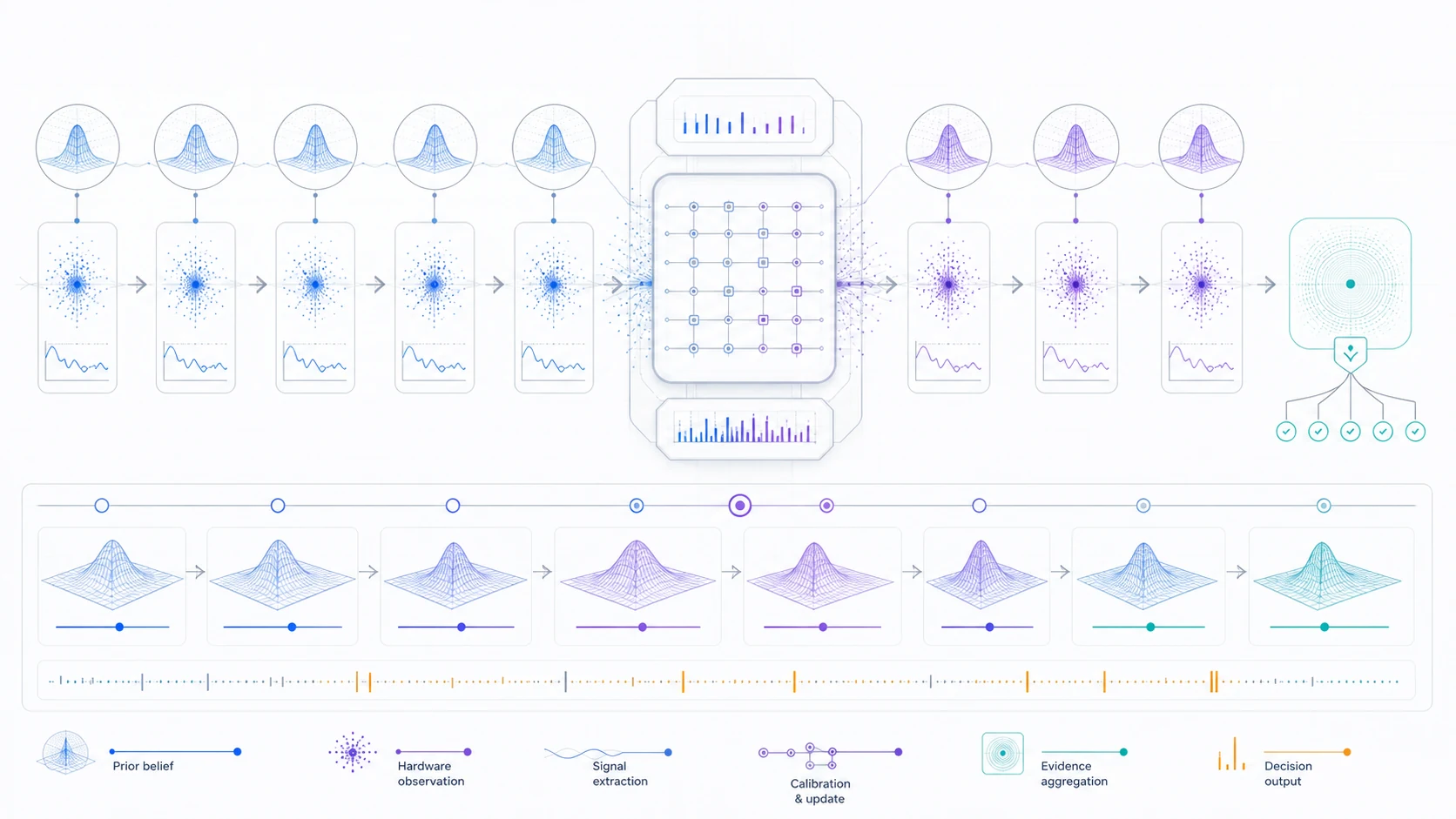
QANTIS · Public preprints
A research programme testing where hardware-derived belief updates can support accountable decisions.
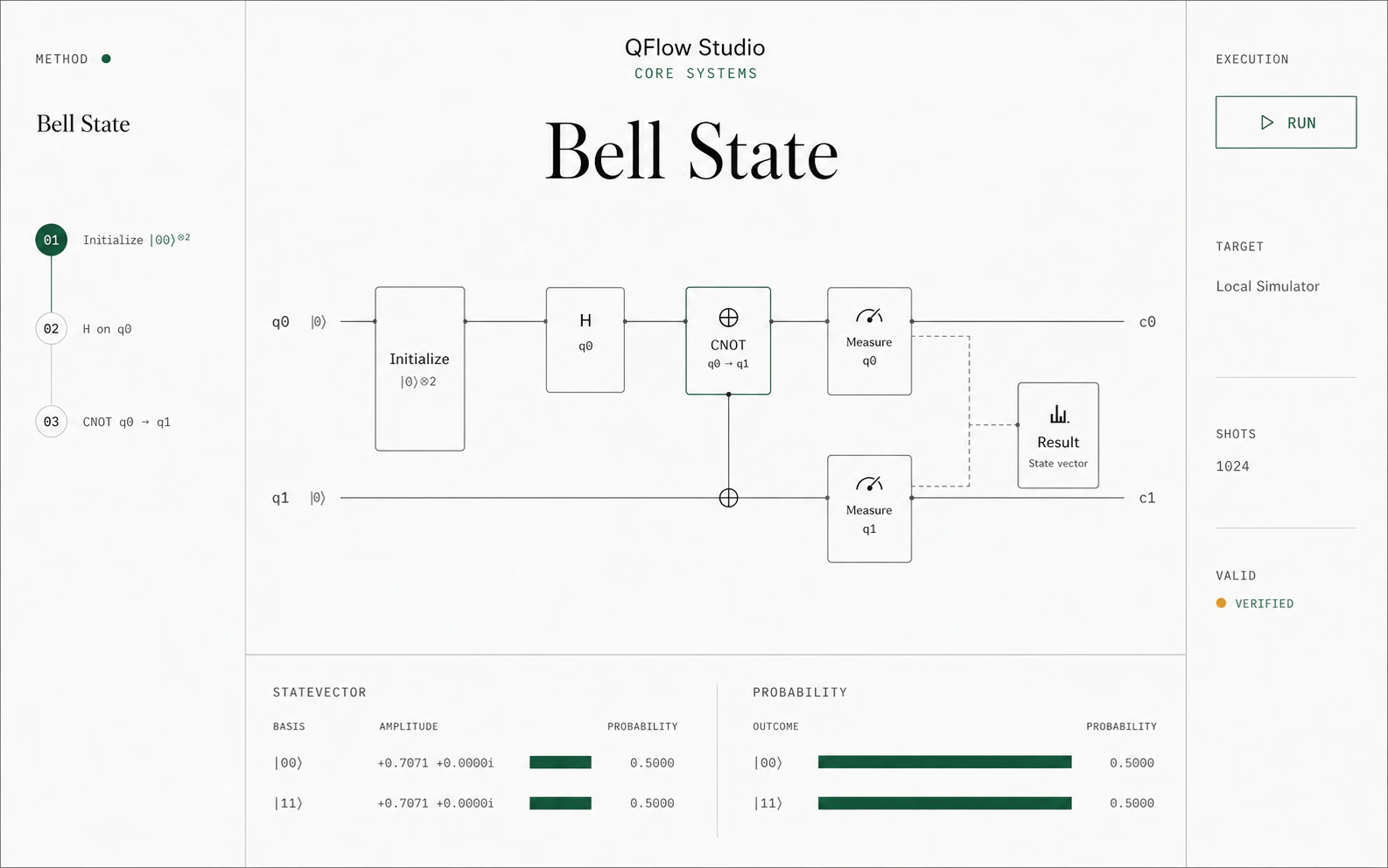
QFlow Studio · Pilot planning
A controlled record keeping the brief, circuit, execution context and result together for review.
NODERIQ · Applied research
An edge-operable architecture in which a system may recommend while a person remains responsible for the decision.
Questions, lessons and experiences from my research and engineering work.
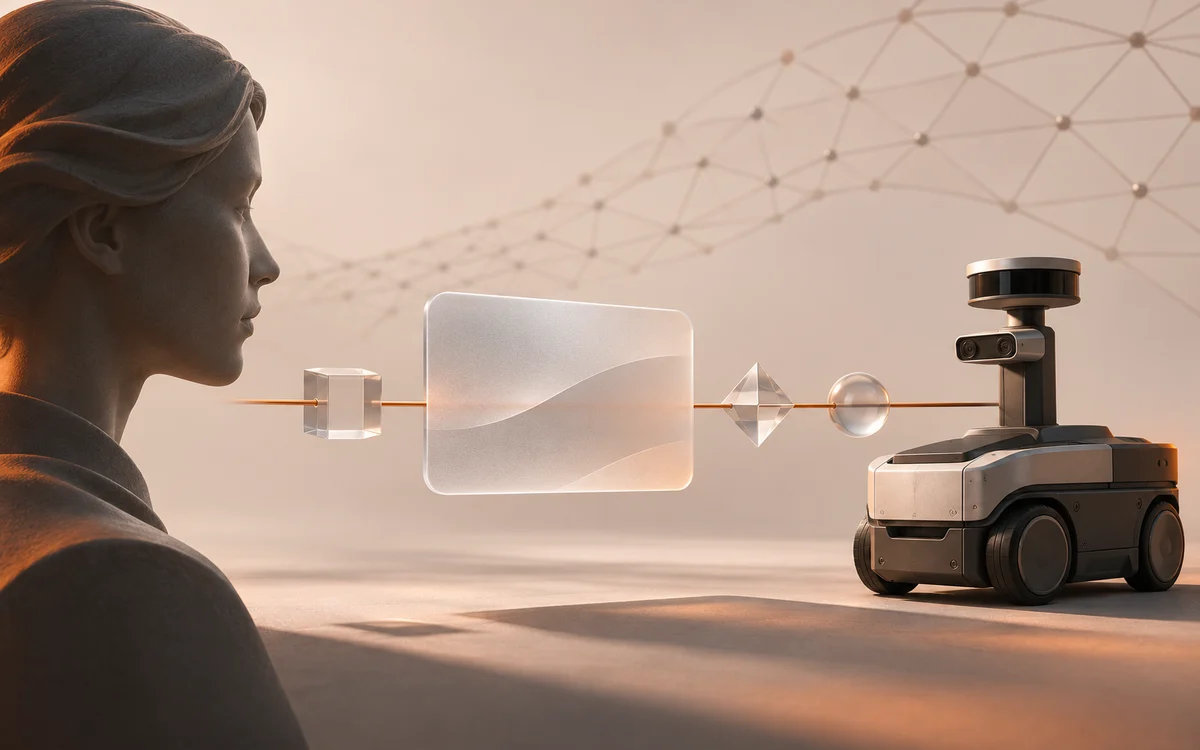
Germany’s quantum-resistant identity research raises a wider question: how should AI agents and robots prove who they are, whose authority they carry and when it expires?
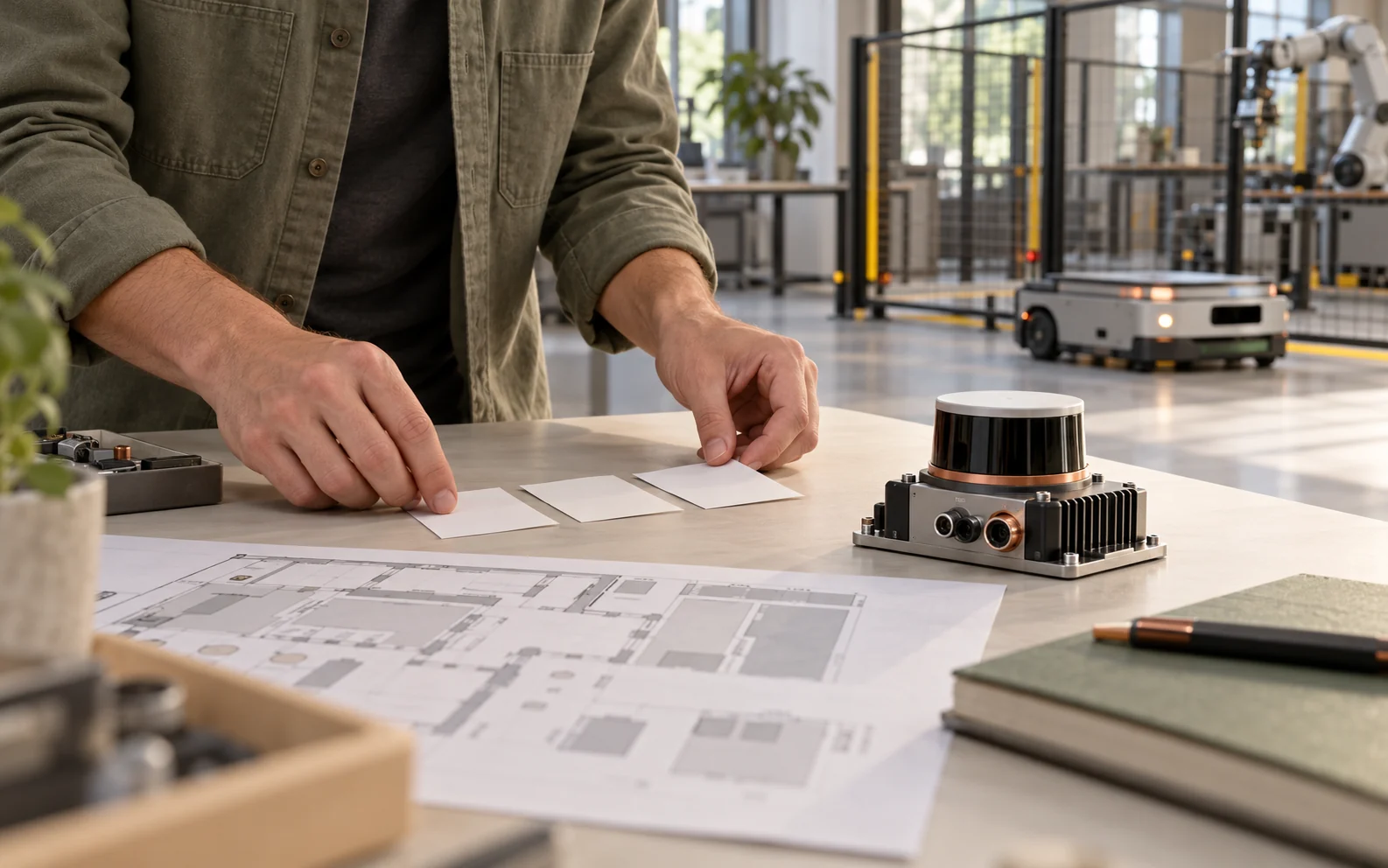
A robot pauses an inspection and asks for help. What its message tells a busy person matters as much as how convincingly the AI can write.
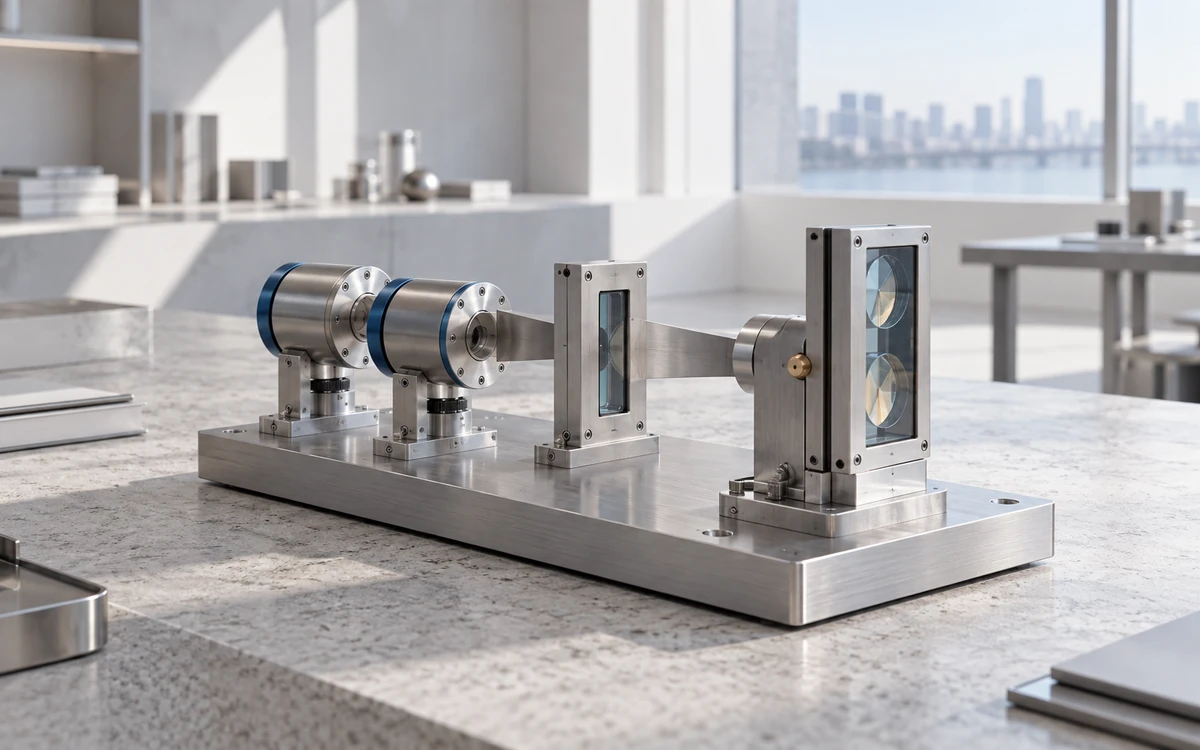
Two different quantum models can explain the same measurements. A small one-qubit study asks what we can still promise about a control action.